Cost Considerations and Durability
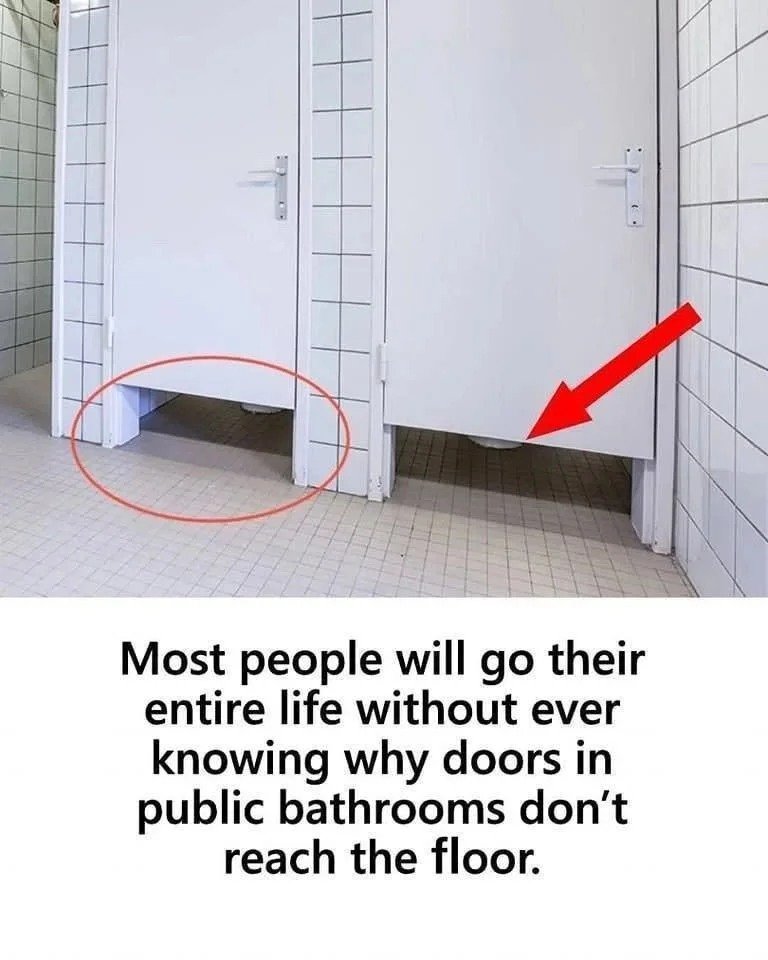
From a construction perspective, doors that do not extend to the floor are less expensive to manufacture and install. Precise floor measurements or adjustments for uneven surfaces are not required, and hardware requirements are simplified. These cost savings can be significant when outfitting large facilities with dozens of pens.
The gap also reduces wear on door hardware. Doors that do not scrape against the floor will last longer and require less adjustment or replacement, reducing long-term maintenance costs.
Privacy vs. Practicality
While gaps may compromise privacy, most facility designers consider this an acceptable trade-off for the safety, hygiene, and functional benefits they provide. Gaps are typically sized to serve their functional purposes while maintaining reasonable privacy for occupants.
This design represents a practical solution that prioritizes public health, safety, and efficient property management over complete privacy – a choice that continues to define public restroom design worldwide.